








What Are Mystical Prayers?
Mystical prayers are forms of prayer that arose from private revelations – moments when Christ, Our Lady, or the saints communicated directly with a chosen soul, often a mystic or visionary, and entrusted them with a devotion to share with the wider Church. Unlike liturgical prayers composed by the Church’s own theologians, mystical prayers typically begin in silence, in a convent cell or a moment of deep contemplation, and are handed down to us word for word as they were received.
Familiar examples fill this very corner of our prayer life: the Chaplet of Divine Mercy, given to St. Faustina Kowalska by Christ Himself; the Flame of Love devotion entrusted to Elizabeth Kindelmann; and the many prayers to the Sacred Heart that trace back to St. Margaret Mary Alacoque. Each carries the fingerprint of the soul who received it, yet all point toward the same source — the boundless love of God reaching into human history.
The Church’s Careful Discernment
It’s worth pausing on a word that appears often on this page: approved. The Catholic Church does not rush to endorse claims of mystical experience. Private revelations, however beautiful or moving, are examined slowly and soberly by theologians and bishops before they are recommended to the faithful. The Church asks whether the message aligns with Scripture and doctrine, whether the visionary’s life bore fruits of holiness, and whether the devotion draws people closer to Christ rather than away from the sacraments and ordinary Christian life.
This discernment matters because it protects the faithful from confusion while still leaving room for the Holy Spirit to work in unexpected ways. Catholics are never required to believe in any private revelation, even an approved one — only the truths of the deposit of faith bind the conscience. But when the Church does give her approval, as with the Divine Mercy devotion formally recognized under St. John Paul II, the faithful can turn to these prayers with confidence, knowing they have been tested against two thousand years of Tradition.
Why Mystical Prayers Speak to the Heart?
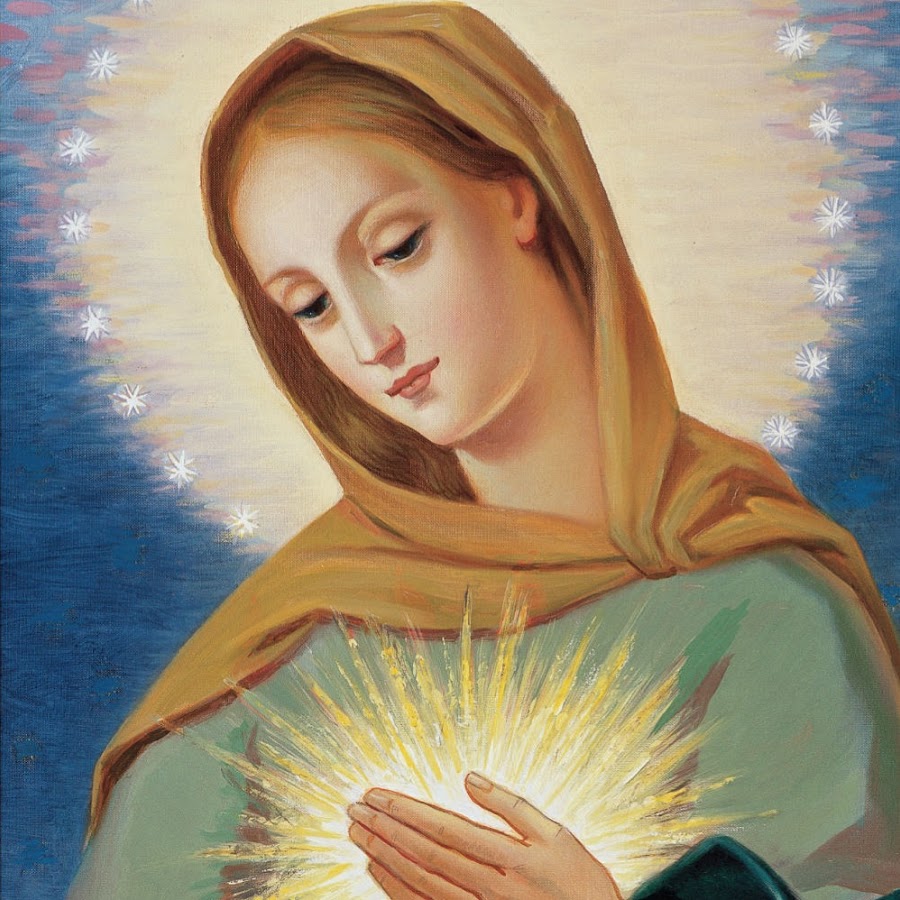
There is something about mystical prayer that reaches places ordinary devotion sometimes cannot touch. Perhaps it is the intimacy of the language – Christ speaking of His own wounded and merciful Heart, or Our Lady pleading as a mother pleads for her children. Perhaps it is the historical nearness of these revelations, many given within the last two centuries, to souls not so different from us: overworked, doubting, searching for hope in difficult times.
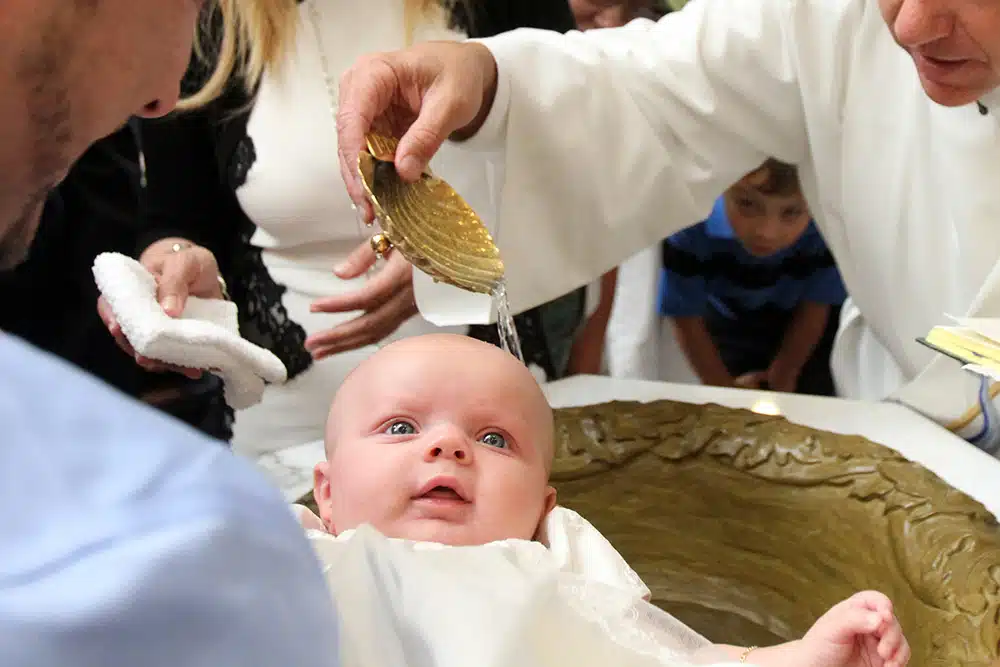
Mystical prayers often arrive as a response to a specific need. St. Faustina received the Chaplet during the darkness leading into the Second World War, as a plea for mercy on a suffering world. The Flame of Love was given as a light to be kindled against the blindness of the age. Even lesser-known prayers, like those for the baptism of aborted babies or in reparation for daily neglects, emerged from a mystic’s grief over the wounds of the modern world. In every case, the prayer becomes a bridge between one soul’s encounter with grace and the countless souls who will pray those same words for generations afterward.
How to Pray Mytical Prayers Well?
To pray a mystical prayer is not to chase after extraordinary experiences for oneself, but simply to borrow words that were forged in genuine encounter with God. The Church encourages the faithful to approach these devotions the way they would any prayer – with humility, attentiveness, and a heart open to conversion, rather than curiosity about the visionary’s experience itself. The message matters more than the messenger.
Many of these prayers are best prayed in a quiet moment, slowly, allowing each phrase to settle rather than rushing to the end. Some, like the Chaplet of Divine Mercy, follow a set structure with beads; others are simple, single invocations that can be repeated throughout the day. What unites them all is their purpose: to draw the one praying deeper into trust, repentance, and love.
A Living Tradition
Mystical prayer is a reminder that the age of revelation, in a real sense, never fully closes – not because new doctrines are being added, but because God continues to draw hearts to Himself in fresh and tender ways. Each prayer gathered on this page is an invitation to encounter that same mercy anew, offered first to a single soul, and now offered to you.